

The network every company can trust.
Turning a hobbyist VPN into a secure connectivity platform.
Overview
Tailscale made secure networking so simple that developers set it up at home, then brought it to work. That made it a quiet favourite inside companies like Instacart, Revolut and Perplexity, yet its site still spoke mainly to developers, not the security leaders who sign off a network. We helped Tailscale show them a platform built for business, without losing the people who brought it in.
Our Role
Positioning
Website design & copy
Website development

Recognition


Key Decisions
Lead with work.
Tailscale was known for personal use, but needed to speak first to B2B buyers.

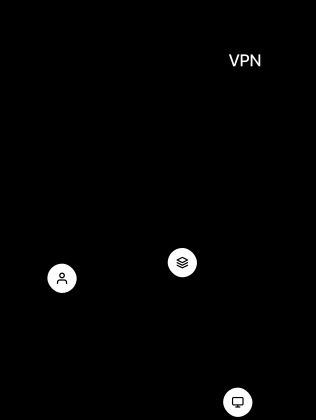
Keep Homelab in view.
Many of Tailscale’s business customers started with one developer using it at home.

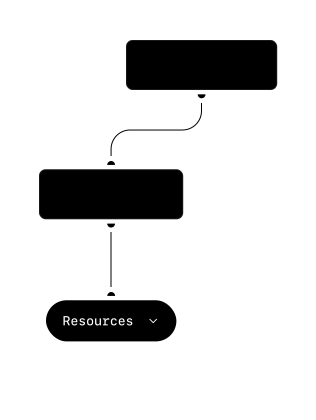

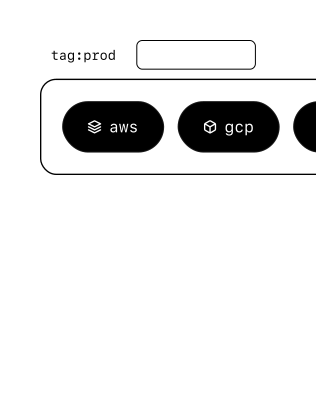
Sell more than a VPN.
Buyers see a VPN as a commodity, but Tailscale connects every person, device and cloud a company runs.


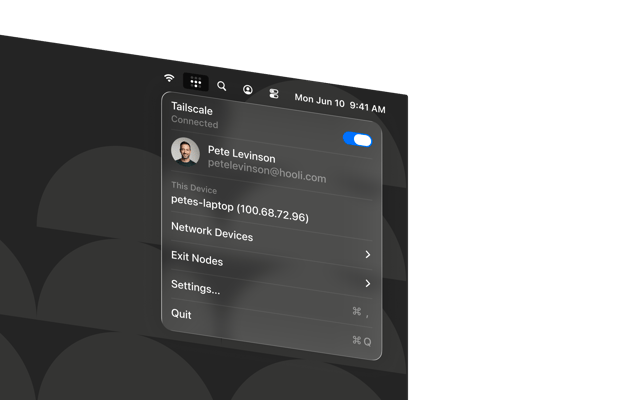
Taken seriously at work.
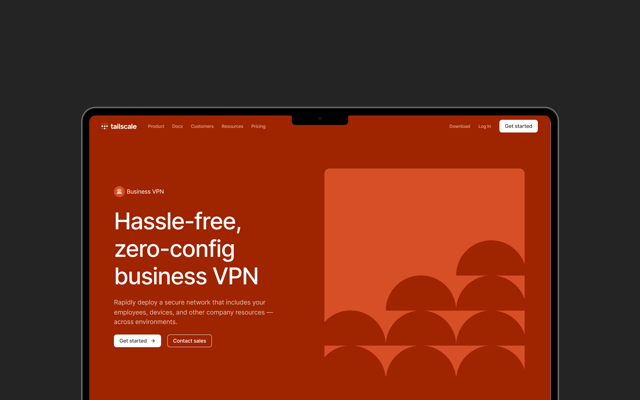
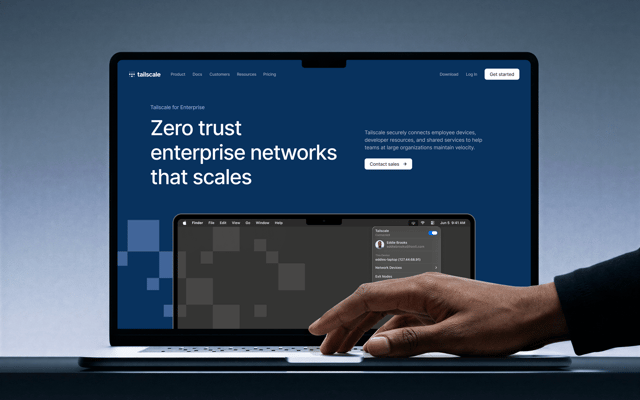
Positioning that presents Tailscale as the secure connectivity layer for a whole company.Most of Tailscale’s users found it on their own, setting it up at home before bringing it to work. That gave it an unusually friendly route into companies, but the security leaders and IT teams who approve a network had never been its audience. So we positioned Tailscale as the secure connectivity layer for a whole organisation, in the terms those buyers use, while keeping the simplicity developers came for.

A vision worth buying into.
Building the new internet, carried throughout the experience.Tailscale isn’t only selling secure access. It wants to return the internet to its original vision, where people connect directly to the devices and people they trust. A company betting its network on a young vendor needs to believe in where that vendor is going, so we gave the vision its own place and let it frame the story across the site.


Built for business buyers.
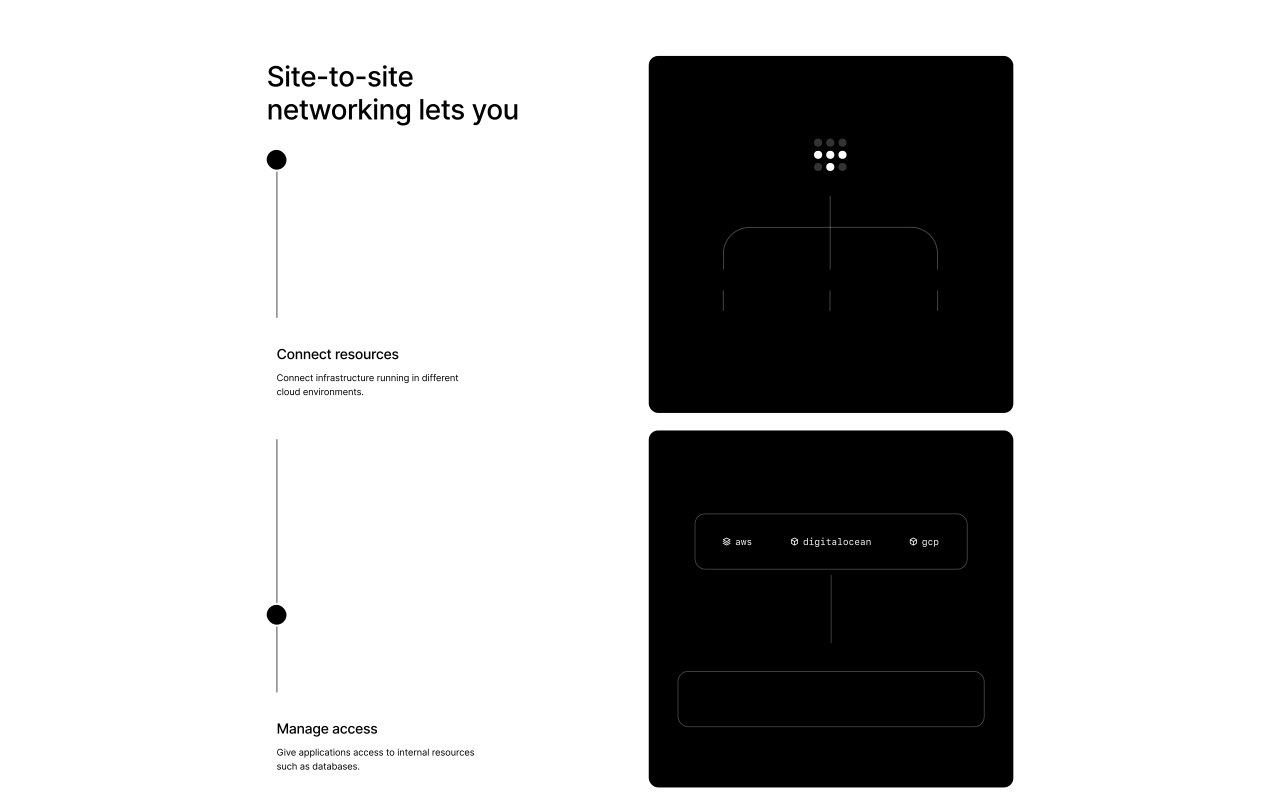
Product marketing pages that answer what each team asks.A developer can start using Tailscale in minutes, but a company buys it through security reviews, IT and finance, and each of them asks something different. So we built the site around those questions, with a page for each product and solution, and customer stories that let a buyer see companies like theirs already running on Tailscale. The engineer who brought it in had a case ready to share, rather than one to write from scratch.



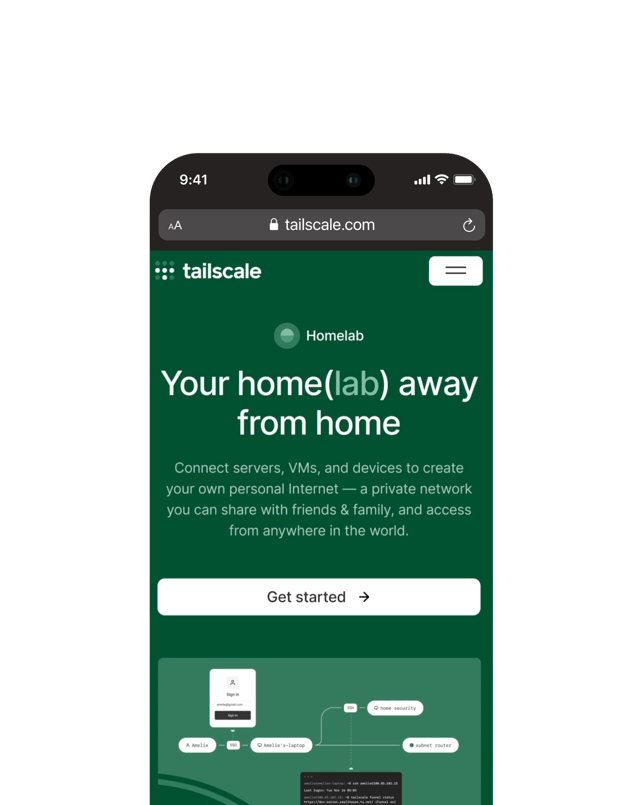
Still home for the people who started it.
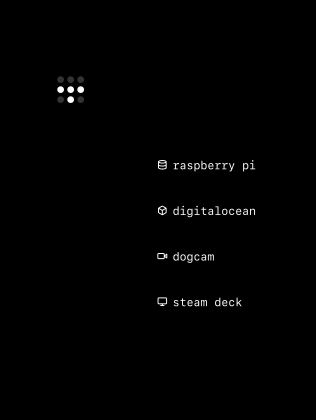
Keeping personal users in view as B2B use cases took the lead.Tailscale became well known because people used it to reach their Raspberry Pis, home servers and Synology drives from anywhere, and many of them later chose it at work. Those users were the reason it reached companies at all, so they needed to keep finding themselves on the site. Homelab kept its own page and its place on the homepage, below the work use cases, speaking to them in the same plain way it always had.

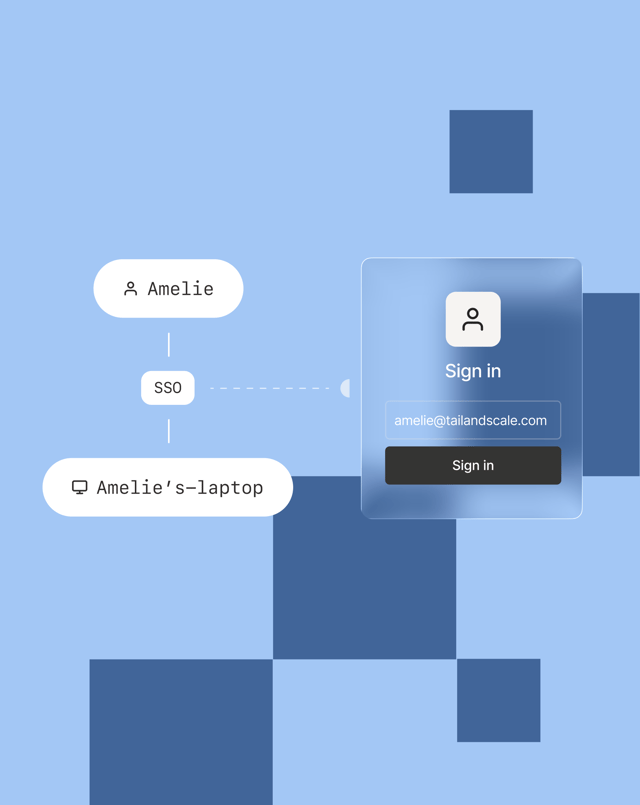
The whole network at a glance.
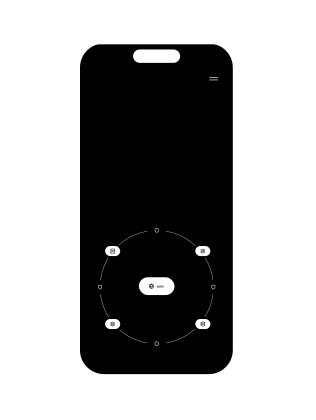
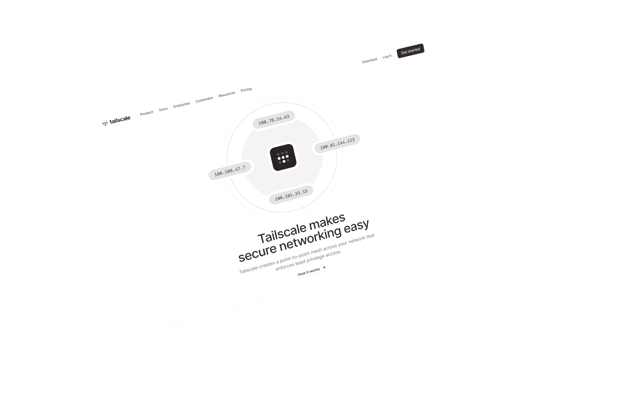
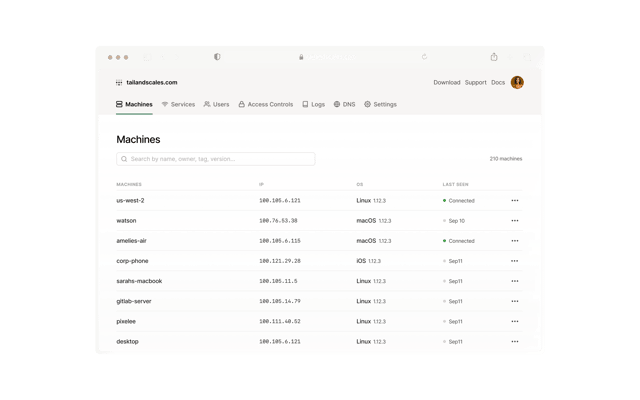
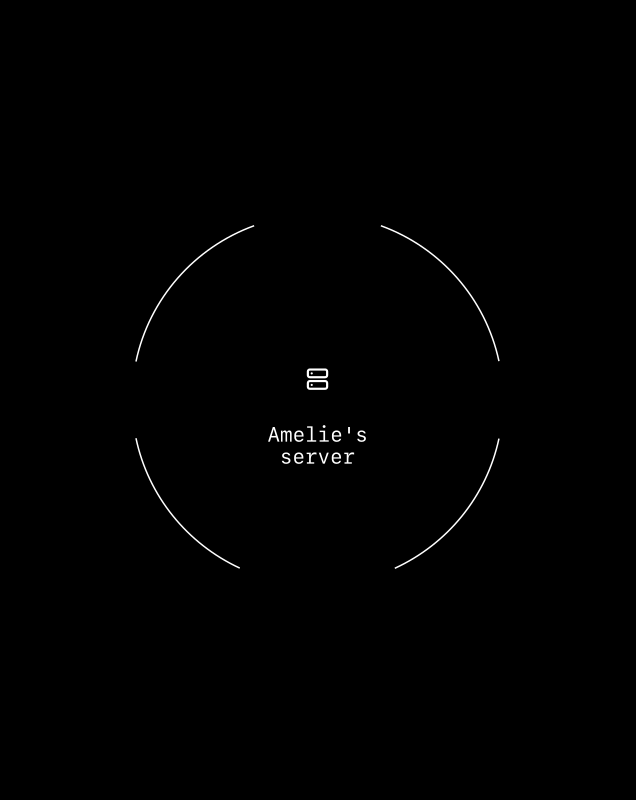
Bringing phones, laptops and servers into one abstraction of the product.Tailscale’s value lies in what it connects rather than in any screen of its own, which makes it hard to show. Its users run phones, laptops, servers and cloud machines side by side, so the site brought those mixed environments together in one abstraction of the product. A visitor sees the network before reading about it, whether they arrived with a homelab or a whole company in mind.

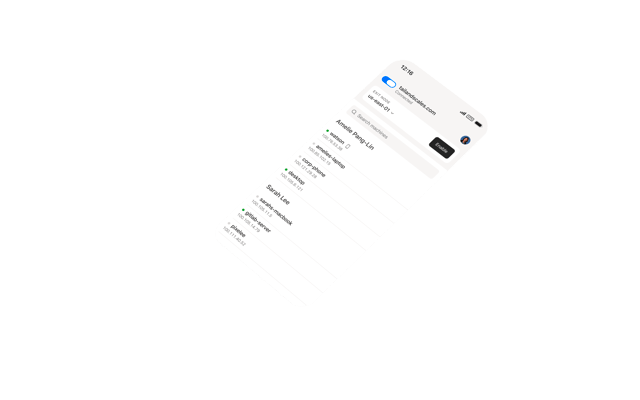


More life from the brand it had.
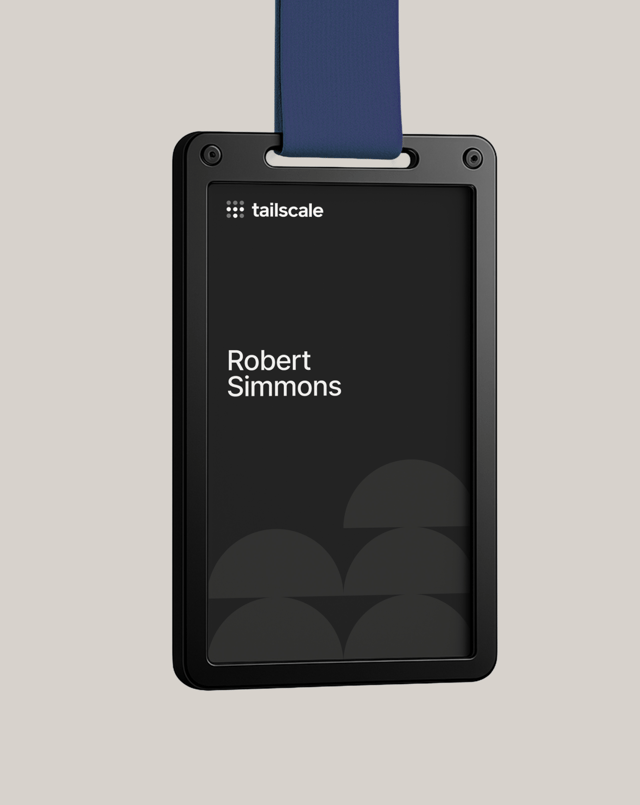
Tailscale’s abstract shapes, carried into supergraphics, iconography and motion.Tailscale’s team saw its old site as flat and static, but its developer audience is wary of anything that looks too polished or corporate. So rather than rebrand, we worked from what the brand already had. Its circular elements and abstract shapes became supergraphics, icons and Rive animations, which carry the site’s story as a visitor scrolls and give a restrained brand some movement without losing what developers trusted.


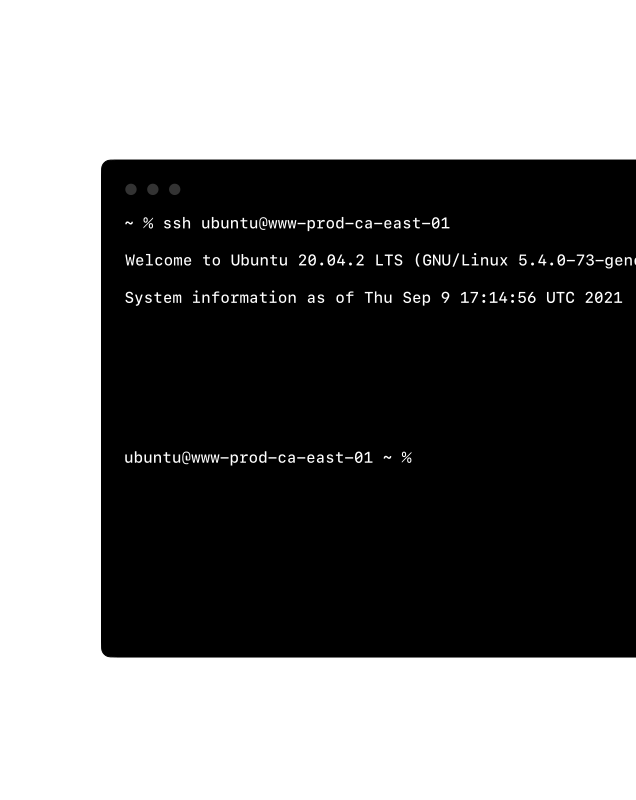
A straight path for developers.
API, GitOps and CLI shown as capabilities in their own right.Most people arriving on Tailscale’s site already knew something about it, and developers in particular came looking for how it works rather than a sales story. So the site showed its API, GitOps and command line tools as capabilities in their own right, and kept the docs a click away from every page. Business buyers get the case they need, while the engineers advising them go straight to the detail.


With Thanks To
Aileen Allen, Blake Mattos and the team at Tailscale.
Next Case Study
The AI operating system for revenue.